Fiber optic cables are revolutionizing the way data is transmitted across various systems and networks. With their ability to transmit data at incredibly high speeds over long distances, fiber optics have become the preferred choice for telecommunications, internet service providers, and other industries that rely on fast and reliable data transfer.
Unlike traditional copper cables, fiber optics use light signals to transmit data, allowing for significantly faster transmission speeds. This technology has not only improved the efficiency of communication networks but has also paved the way for advancements in fields such as medicine, defense, and research. In this article, we will explore the inner workings of fiber optic cables and delve into the numerous benefits they offer in today’s digital age.
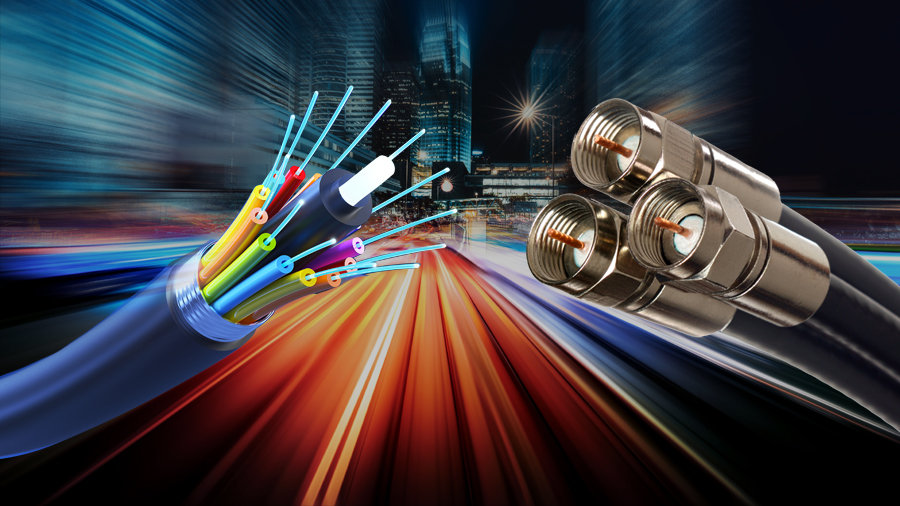
The Technology Behind Fiber Optic Cables
Fiber optic cables are made up of thin strands of glass or plastic that carry data through pulses of light. These cables are designed to transmit data at the speed of light, resulting in incredibly fast communication. The core of the cable is where the light signals travel, surrounded by a protective cladding that keeps the light confined within the core. Additionally, fiber optic cables are able to carry data over long distances without losing signal strength, making them ideal for telecommunications networks and internet infrastructure.
The Benefits of Using Fiber Optic Cables
One of the major advantages of fiber optic cables is their high bandwidth capacity, allowing for large amounts of data to be transmitted quickly and efficiently. This makes fiber optics an essential component in modern communication systems that require fast and reliable data transfer. Furthermore, fiber optic cables are immune to electromagnetic interference, ensuring consistent performance even in high-traffic environments. For top-quality fiber optic cables, consider checking out สายใยแก้วนำแสง for a wide selection of products.
In conclusion, fiber optic cables have become an indispensable tool in our increasingly digital world. Their ability to transmit data at the speed of light over long distances has transformed the way we communicate and share information. With their high bandwidth capacity and immunity to interference, fiber optics offer unparalleled performance and reliability for telecommunications, internet services, and other industries. As technology continues to advance, fiber optic cables will play a crucial role in shaping the future of connectivity and data transmission.