Seeing your dentist for a dental checkup is important for a number of reasons. Eugene Dentist can help you keep your teeth healthy, prevent gum disease, and catch oral cancer before it has a chance to spread to your other parts of your body.
Gum disease is linked to low birth weight and premature birth
Several studies have shown that gum disease is associated with premature birth. One study has shown that women who develop gum disease are 1.5 times more likely to give birth to a premature infant. Another study has shown that women who have periodontitis are six times more likely to have a premature infant.
The Oral Health Foundation offers free dental health advice during pregnancy. This includes tips on how to brush, floss and rinse your mouth. They also provide information on the role that dental health plays in preventing low birth weight and premature birth.
A study conducted in Nigeria found that women who had periodontal treatment were less likely to give birth to infants with low birth weight. Another study in Rwanda reported that premature birth complications were among the top ten causes of child mortality in Rwanda. The study also found that the presence of gingival recession was associated with premature birth.
The Oral Health Foundation has developed an interactive tool to help women brush, floss and rinse their mouths during pregnancy. The tool can be used by midwives and nurses to screen for periodontitis during antenatal consultations.
Tooth decay is easier to treat at its earliest stages
Taking the time to get a dental checkup regularly is a great way to avoid the pain of tooth decay. Regular checkups also increase the chances of catching decay before it has a chance to start.
In the simplest terms, tooth decay is the process by which the outer layer of a tooth, known as enamel, wears away and is replaced with a darker material, which is called cementum. This material is softer than enamel, and may make the tooth more susceptible to decay.
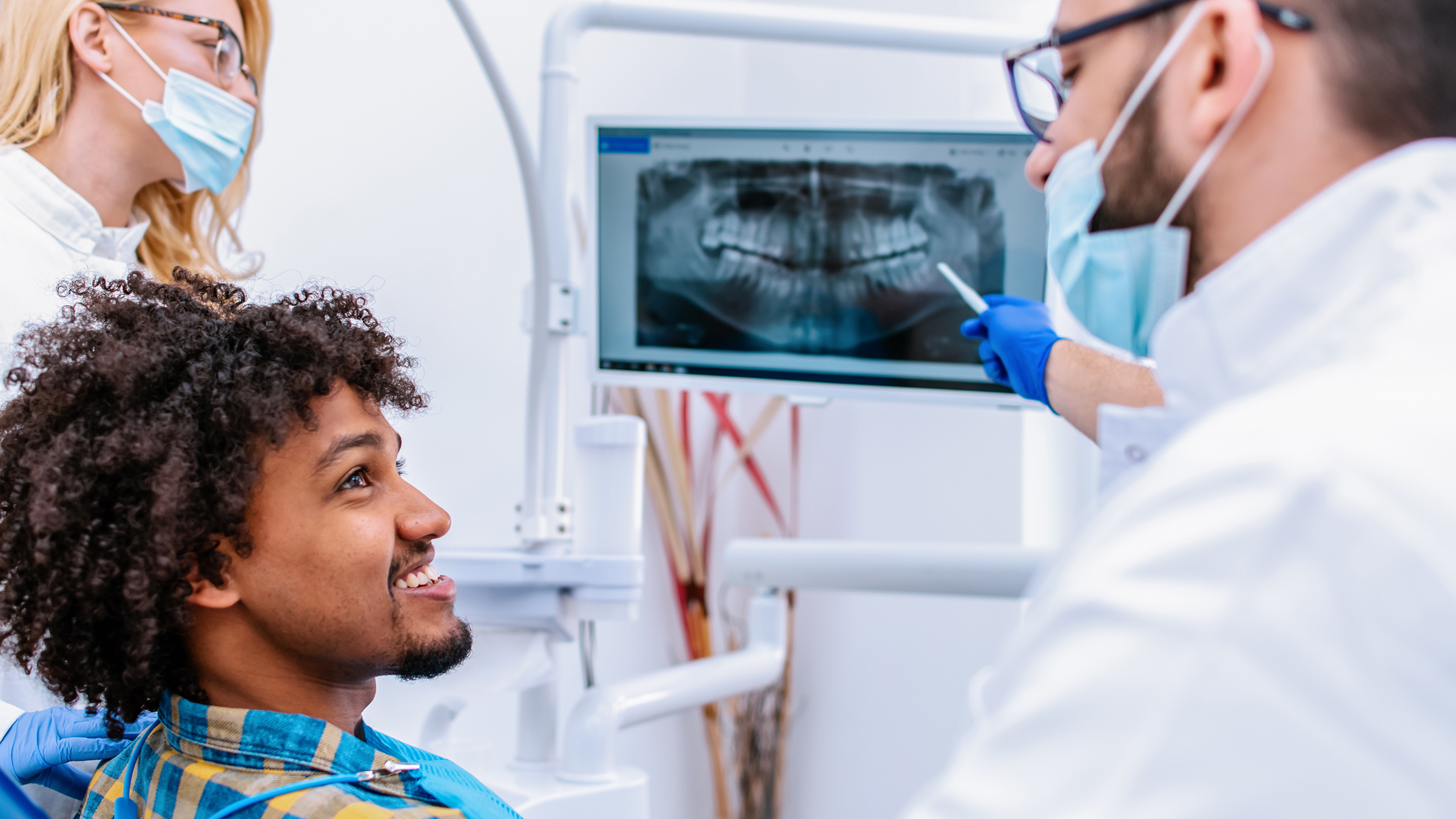
Tooth decay occurs most often in the back teeth, which are harder to clean than front teeth. A dentist can detect early-stage tooth decay with a simple exam and X-ray. A tooth with advanced decay may be painful to bite on and may require a root canal.
The tooth’s pulp, or innermost layer, houses blood vessels and nerves. When these vessels are damaged, the tooth may become infected and painful. These infections may also lead to abscesses, which can be dangerous.
Sleep apnea can be treated with a dental checkup
During a dental checkup, the dentist can detect symptoms of sleep apnea. It can also help to diagnose and treat the condition. It can be dangerous if left untreated. It can cause high blood pressure, heart disease, and stroke.
Dentists may also recommend an overnight sleep study. This test measures the level of blood oxygen and the number of breathing interruptions during sleep.
A dentist can also examine the mouth and throat to see if there are any signs of sleep apnea. If the dentist finds signs of the condition, they can prescribe oral appliance therapy. This treatment can help the patient sleep better.
Oral appliance therapy is a popular sleep apnea treatment. These devices are worn in the mouth like a mouthguard. They are unobtrusive and travel-friendly. They are easy to use.
The dentist can make minor adjustments to an oral appliance. They may also take impressions of the patient’s mouth and send them to a dental lab. This takes about two weeks to complete.
Oral cancer can be diagnosed and treated during its early stages
During a regular dental checkup, healthcare professionals can detect abnormal cells and pre-cancers. This is a critical way to catch these diseases before they progress. Early detection of oral cancer can result in better treatment outcomes and increased survival rates.
There are several tests that can be used to diagnose oral cancer. These include a fluorescent light test, a toluidine blue dye test, and an imaging test. These tests can also help you to determine the type of cancer that you have.
A dental exam will help you to detect oral cancer before it develops. During a routine checkup, your dentist will check your teeth, gums, and roof of your mouth. He will also feel your tongue, the floor of your mouth, and the lining of your cheeks. He will also look for lumps and suspicious spots.
If your dentist suspects you have oral cancer, he will work with an oral surgeon to remove the tumor. In some cases, he may also recommend radiation therapy or chemotherapy. This type of treatment can be very effective, but is only recommended in the early stages of the disease.