In recent years, online gaming has evolved into a global phenomenon, captivating millions of players worldwide. Beyond being a mere source of entertainment, online games have become platforms that foster teamwork and collaboration. The ability to work together effectively as a team is a crucial aspect of success in many popular online games. This article explores how online gaming cultivates and enhances the spirit of collaboration, teaching players valuable skills that extend beyond the virtual world. Compete against players from around the world on 747live online platform.
- The Rise of Teamwork in Online Gaming:
Online gaming has revolutionized the way we interact with others, transcending geographical boundaries and enabling players to connect with teammates from around the world. Multiplayer online games require players to form teams and collaborate to achieve common goals. From cooperative missions to competitive battles, these games foster an environment that thrives on teamwork.
One significant reason for the rise of teamwork in online gaming is the complexity and scale of modern games. Many online games feature intricate gameplay mechanics, sprawling virtual worlds, and challenging quests that necessitate collaboration among players. As a result, gamers have discovered that coordination, communication, and cooperation are vital for success.
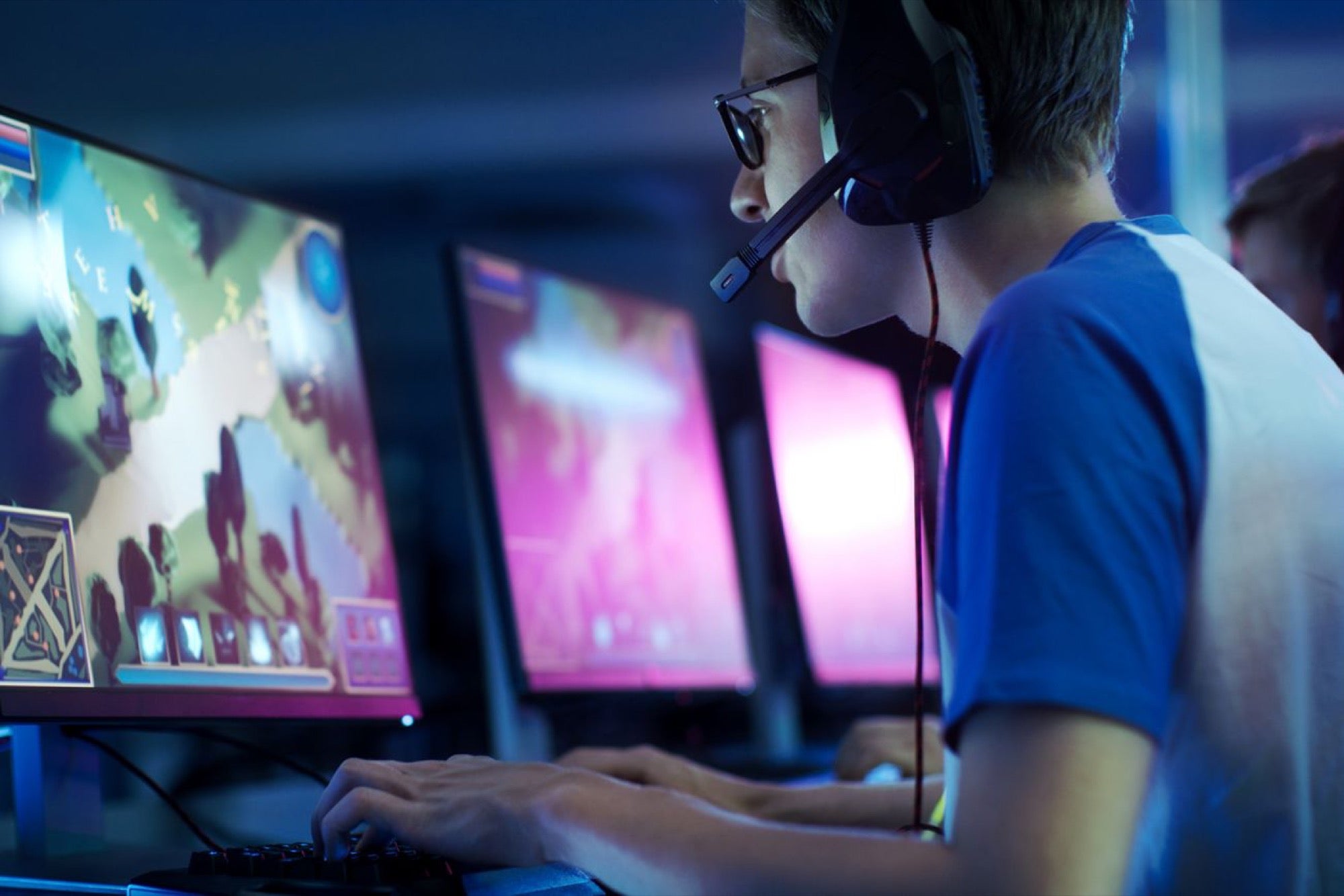
- The Benefits of Teamwork in Online Gaming:
Engaging in teamwork within the online gaming realm offers numerous benefits that extend beyond the digital landscape. One of the primary advantages is the development of valuable interpersonal skills. Collaborative gameplay requires effective communication, active listening, and the ability to adapt to different play styles. These skills are not only essential within the context of gaming but also highly transferable to real-world scenarios, such as professional environments or group projects.
Moreover, teamwork in online gaming fosters a sense of unity and camaraderie among players. Joining forces with like-minded individuals to overcome challenges and achieve common objectives builds trust and promotes social interaction. Online gaming communities often form tight-knit groups, providing players with a sense of belonging and a support network.
Another significant benefit of teamwork in online gaming is the opportunity for skill development. Players learn to specialize in specific roles within their teams, such as tanking, healing, or damage dealing. Through practice and collaboration, gamers refine their abilities, strategize effectively, and make split-second decisions. These skills are transferable to real-life situations that require quick thinking, adaptability, and problem-solving.
- Challenges and Solutions in Teamwork :
While teamwork in online gaming brings about numerous advantages, it also presents its fair share of challenges. Communication barriers due to language differences or technological limitations can hinder effective collaboration. Additionally, conflicting personalities or play styles among team members can lead to disagreements and disruption.
To overcome these challenges, online gaming communities have developed various solutions. Many games provide built-in communication tools, such as voice chat or text messaging systems, allowing players to overcome language barriers. Additionally, gaming communities often encourage positive and respectful behavior through moderation systems and community guidelines.
- Transferring Teamwork Skills to Real-Life :
The teamwork skills developed in online gaming can seamlessly transfer to real-life scenarios. Effective communication, collaboration, and problem-solving abilities honed in the gaming realm can be applied to professional environments, academic pursuits, and social interactions. Employers increasingly value these skills as they recognize their relevance in a rapidly changing world.
Furthermore, online gaming communities themselves can serve as a valuable networking platform. Many players form lasting friendships and connections through gaming, which can extend beyond the virtual world. These connections can lead to professional opportunities, mentorship, and shared experiences.
Conclusion
Online gaming has emerged as more than just a recreational activity; it has become a hub for teamwork and collaboration. Through complex gameplay mechanics and vast virtual worlds, players learn essential skills that translate into real-life scenarios. The collaborative spirit fostered in online gaming has the potential to shape the future of social interaction and problem-solving.