Drywall is a versatile building material that forms the backbone of most interior walls and ceilings in residential and commercial properties. However, over time, it can suffer from various forms of damage, ranging from small dents and holes to large gaping cracks. Whether caused by everyday wear and tear, accidental impacts, or moisture issues, drywall damage can detract from the appearance and functionality of your living or working space. Fortunately, repairing drywall is a manageable task that can save you from costly professional services and restore the integrity of your walls.
This article will provide you with a comprehensive guide on drywall repair techniques, from assessing the damage and choosing the right tools to step-by-step instructions on patching holes and repainting. We will explore various repair methods suitable for different types of damage, ensuring that whether you are a novice DIY enthusiast or someone with experience, you will find valuable insights to tackle any drywall repair project with confidence. With a few simple steps, you can revitalize your walls and create a polished, professional-looking finish in no time.
Assessing Damage and Preparing for Repair
Before you can effectively repair drywall, it’s essential to properly assess the damage. Start by examining the area for any holes, cracks, or signs of water damage, such as discoloration or bubbling. Smaller issues, like dents and minor cracks, can often be remedied with spackling compound or a simple patch, while larger holes may require a more extensive approach, including cutting out the damaged section and installing a new piece of drywall. Gather the necessary tools for your repair, such as a putty knife, drywall tape, joint compound, and sandpaper, ensuring you’re well-prepared for the task ahead. For those unsure about tackling repairs themselves, seeking professional assistance, such as from drywall greenville sc, can be a wise choice to ensure a quality finish.
Repair Techniques for Different Damage Types
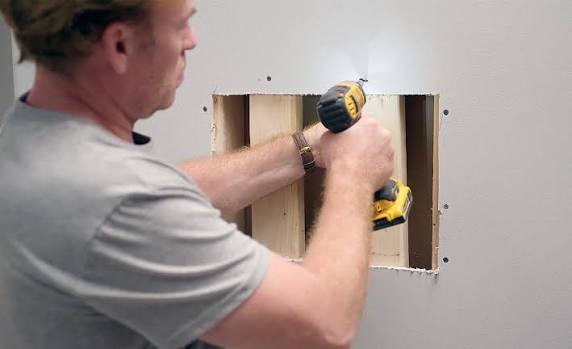
Once you’ve evaluated the damage and gathered your tools, it’s time to select the appropriate repair technique. For small holes or dents, a premixed joint compound can be applied with a putty knife, smoothed over and sanded once dried. For larger holes, cut a patch from a piece of drywall, secure it into place with screws, and cover the seams with joint tape before applying multiple layers of joint compound. Ensure that each layer is fully dry and sanded smooth before proceeding to paint the repaired area. By utilizing the correct techniques based on the extent and type of damage, you can achieve seamless results that restore the look of your walls and enhance your space’s overall aesthetic.
In conclusion, drywall repair is an essential skill that can enhance the aesthetics and functionality of your indoor spaces while saving you time and money. By thoroughly assessing the damage and selecting the appropriate repair technique, you can tackle both minor and major issues with confidence. Whether it’s filling small dents or replacing larger sections of drywall, each step contributes to a professional finish that revitalizes your walls. With patience and practice, you can develop the expertise needed to handle various repair scenarios, ensuring your living or working environment remains inviting and polished. Embrace the DIY spirit, and enjoy the satisfaction of transforming your spaces with well-executed drywall repairs.