Hydroponic gardening is a method of growing plants without soil, using nutrient-rich water instead. While traditional hydroponic systems rely on synthetic fertilizers to provide essential nutrients to plants, organic solutions are becoming increasingly popular among gardeners who want to grow their crops in a more sustainable and environmentally-friendly way.
Organic solutions for hydroponics involve using natural, plant-based inputs to provide the necessary nutrients for plant growth. These organic inputs can include compost teas, fish emulsions, kelp extracts, and other biologically-derived products that help promote healthy plant growth without the use of synthetic chemicals. In this article, we will explore the benefits of using organic solutions in hydroponic gardening and discuss some of the most effective methods for incorporating these natural inputs into your hydroponic system.
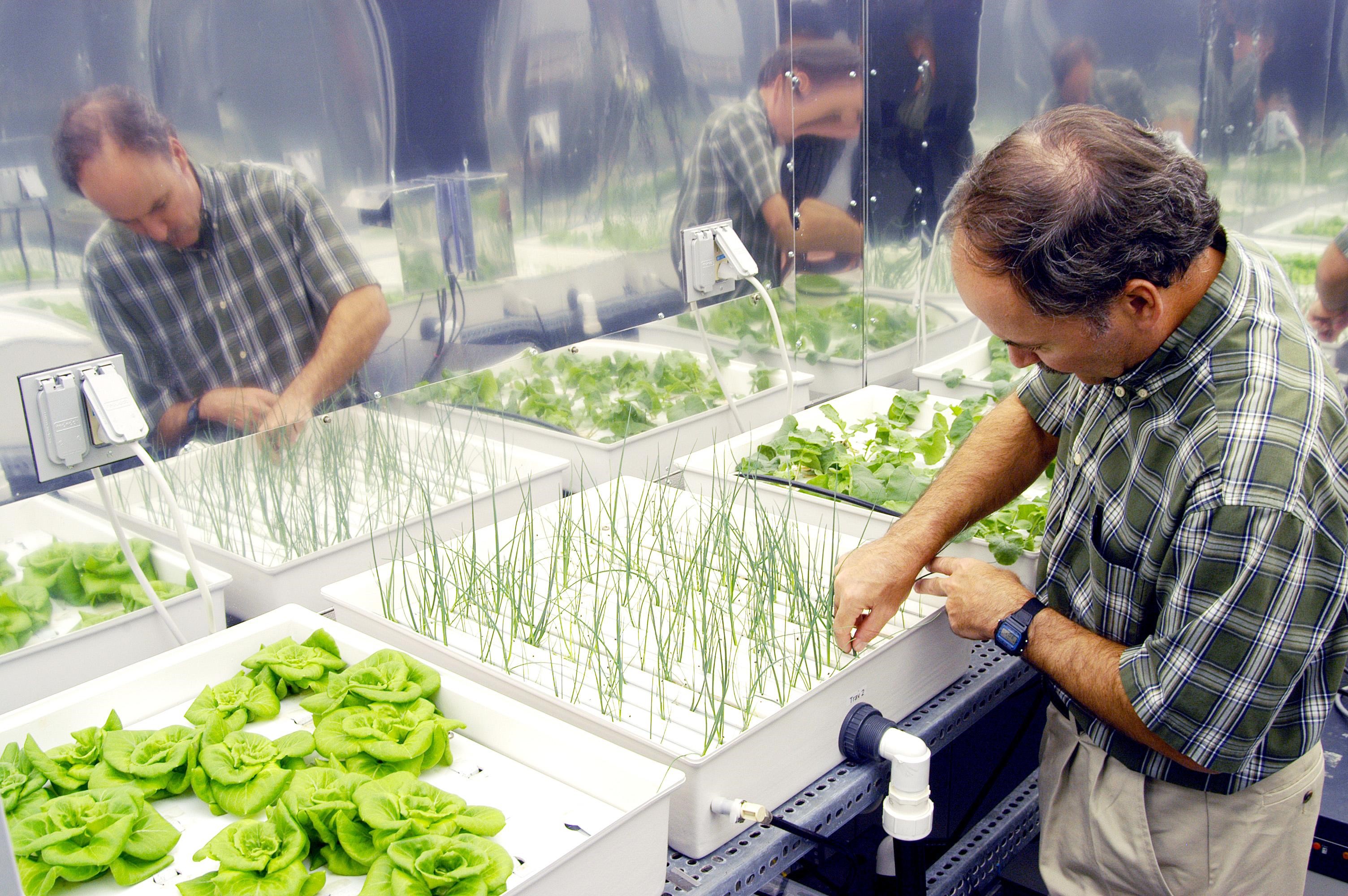
Benefits of Organic Solutions in Hydroponic Gardening
Using organic solutions in hydroponic gardening offers several benefits. Firstly, organic inputs are gentler on the environment compared to synthetic fertilizers, reducing the risk of chemical runoff and pollution of water sources. Additionally, organic solutions promote the overall health of the plants by providing a balanced array of nutrients that are easily absorbed. By using natural products like compost teas and kelp extracts, gardeners can ensure that their crops are free from harmful residues and chemicals, resulting in healthier, more nutrient-rich produce. For those interested in incorporating organic solutions into their hydroponic systems, companies like easy as organics offer a wide range of natural inputs specifically designed for hydroponic gardening.
Effective Methods for Incorporating Organic Inputs
There are various effective methods for incorporating organic inputs into hydroponic systems. One common approach is to use compost teas, which can be brewed and added to the nutrient solution to enhance microbial activity and promote plant growth. Another method is the use of fish emulsions, which provide a natural source of nitrogen and other essential nutrients for plants. Kelp extracts are also popular for their rich mineral content and growth-promoting properties. By experimenting with different organic inputs and adjusting nutrient levels accordingly, gardeners can optimize the health and productivity of their hydroponic crops while minimizing environmental impact. Companies like easy as organics offer convenient solutions for obtaining high-quality organic inputs tailored to hydroponic gardening needs.
In conclusion, organic solutions offer a sustainable and environmentally-friendly approach to hydroponic gardening, providing plants with essential nutrients without the use of harmful synthetic fertilizers. By incorporating natural inputs such as compost teas, fish emulsions, and kelp extracts, gardeners can promote healthy plant growth while minimizing the impact on the environment. Experimenting with different organic inputs and adjusting nutrient levels can help optimize the health and productivity of hydroponic crops, resulting in healthier, more nutrient-rich produce. Companies like easy as organics provide a convenient way for gardeners to access high-quality organic inputs specifically designed for hydroponic systems, making it easier than ever to grow plants in a sustainable and eco-friendly manner.